Budget Cold Plunge Setups: Full Protocol, Under $250
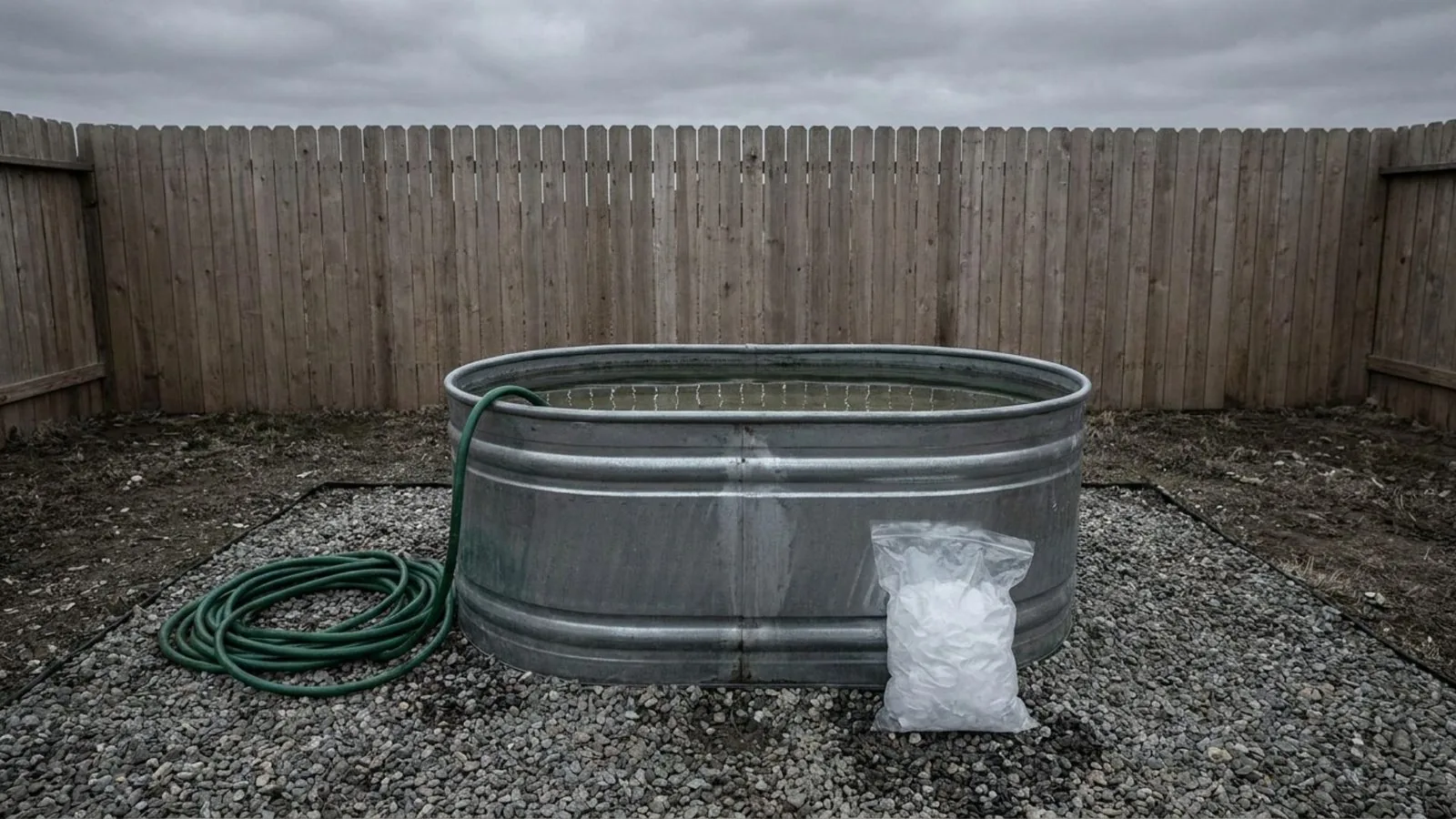
The entire protocol is 11 minutes a week in 50 to 59°F water. Nothing about that sentence costs $5,000. Here are the three real budget paths, in the order we'd recommend them, including the one we recommend with both hands on your shoulders and eye contact.
Option 1: The Insulated Portable Tubs ($129 to $217)
Nurecover Pod, $129 (less with code)
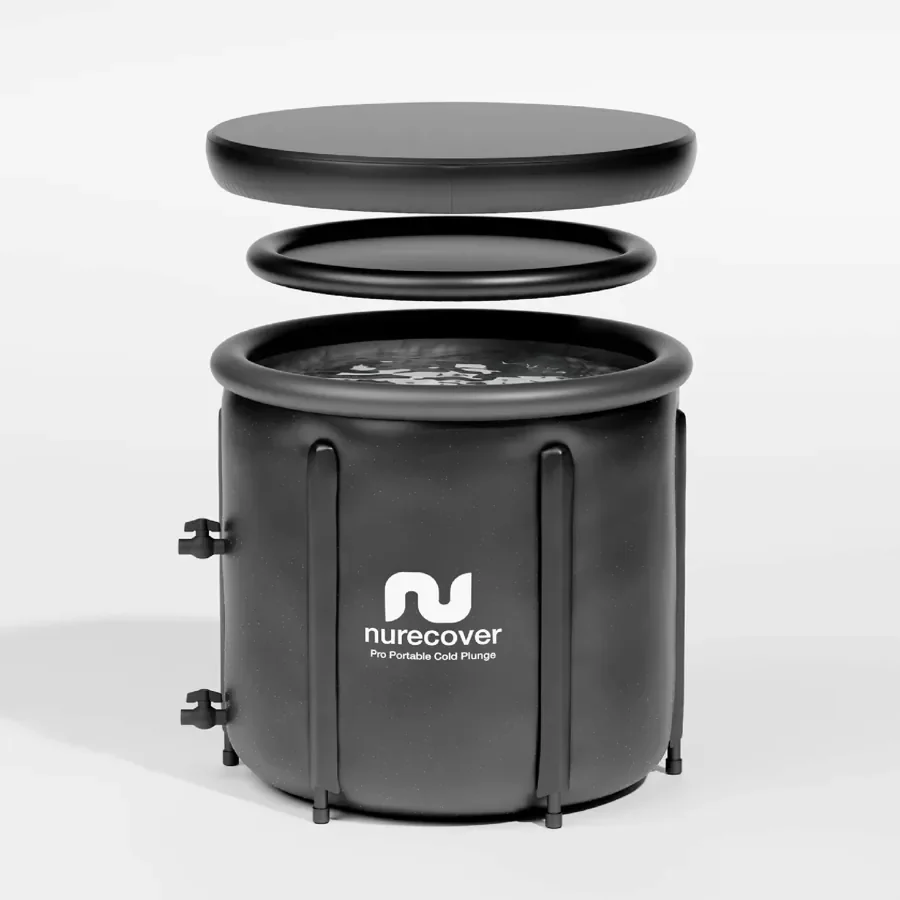
Now the cheapest way into an insulated tub from a real brand: $129 list, five insulated layers, fits users to a listed 6'7", and ships with support legs, hand pump, drain hose, floor mat, and an ice tray. Warranty is 1 year with 100-day returns. Our reader code TYSON82188 takes 20% off, which puts it near $103, a price the ice math forgives almost instantly. Ignore the countdown timers and calorie claims on their site; the tub under the marketing is legitimate, and the full breakdown is in the main gear guide.
Check Nurecover Pod price (code TYSON82188)The Cold Pod insulated tub, ~$120 with cover
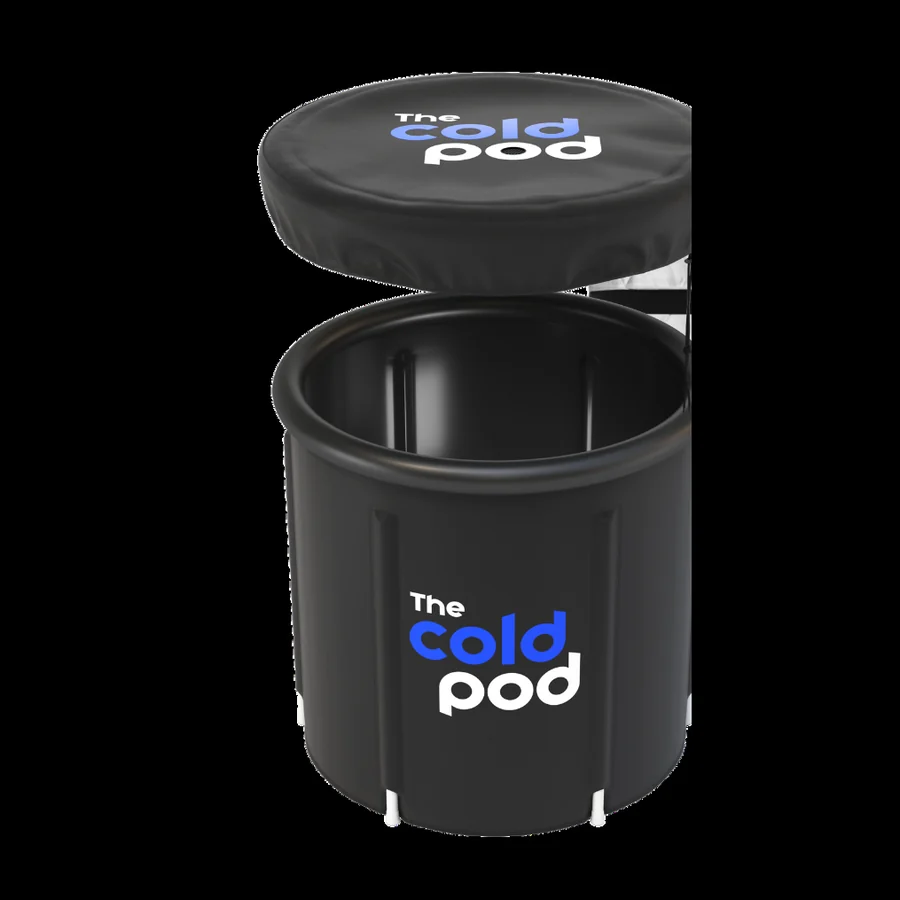
Covered fully in the main gear guide, but it headlines here because it solves the budget problem outright: four insulated layers, 320L capacity, drain tap, cover, sets up in minutes. The insulation is the part that matters at this price; it's the difference between buying two bags of ice and buying five. The XL runs about $217 if you're tall or broad.
Pair it with a $12 thermometer and you have a complete, legitimate setup for under $200. This is what we'd tell a friend to buy.
Check Cold Pod priceOption 2: The Stock Tank (~$120 to $250)
The farm store classic. A Rubbermaid structural-foam stock tank, the kind sold for watering livestock, is a near-indestructible plunge vessel. The 100-gallon size (roughly 53" x 31" x 25") works for people under about 5'10"; taller or heavier users want the 150-gallon. Prices move by region and season, so treat anything you read as approximate and check current price at Tractor Supply or your local farm store. Two practical notes: the Rubbermaid comes with a drain plug already fitted, which saves you a plumbing project, and the foam construction won't crack in a freeze like cheap plastic.
The trade against the Cold Pod: zero insulation (your ice bill is higher), it's a permanent resident once placed, and it has all the visual charm of agricultural equipment. The trades in its favor: it will outlive you, rigid walls make entry and exit easier, and the DIY crowd has well-worn paths for adding insulation panels and even chillers later.
Option 3: The Chest Freezer Conversion (~$200 to $400). Read This Part Slowly.
The internet's favorite hack: buy a used chest freezer, seal the seams, fill it with water, and let the compressor chill it on a timer. It works, it's the cheapest route to chilled (not iced) water, and people run them for years. We're not going to pretend otherwise. We're also not going to pretend it's just a quirky tub, because it's the one budget option that combines mains electricity, a conductive metal box, and a human in water.
If you do this, the rules are absolute:
1. The freezer is UNPLUGGED before anyone touches the water. Not on a smart plug you trust. Physically unplugged, every time. The compressor runs on a timer or while you're at work, never while you're in it.
2. GFCI outlet, no exceptions. Same rule as every powered device near water on the safety page.
3. Seal it properly. Freezers aren't waterproof from the inside. Water reaching the wiring or insulation is how the project dies, or worse. Marine sealant on every interior seam, and check it monthly.
4. No lid while occupied, ever, and a lock on it when you're not home. A latching insulated box of water is a child hazard of the worst kind.
Cost picture: used chest freezers run $100 to $250, sealant and a GFCI-protected timer setup another $50 to $100. For around $300 you get water that's actually cold every morning with no ice runs, which is the thing every other budget option can't give you. Whether that's worth the safety overhead and the project time is a judgment call. A fair number of people do the math and land on the real chiller question instead, where $2,200 buys the purpose-built chiller for the same idea.
The Ice Math, Since You'll Ask
Uninsulated tub in a warm climate: getting 80 gallons of 70°F tap water down to the protocol zone takes roughly 60 to 100 lbs of ice, which is $15 to $25 per session at grocery store prices. That's a Plunge All-In in two years of daily use. Insulation (Cold Pod), cold climates, reusable frozen jugs, and plunging at dawn all cut that number hard; a chiller deletes it. This math is the entire gear market in one paragraph, and it's why we wrote the chiller page.
What Not to Buy
- Uninsulated $60 "ice bath" bags. The Cold Pod knockoffs without the foam layer. Your ice bill eats the savings in a month.
- Inflatable kiddie pools. Too shallow for immersion, too flimsy for daily use, and somehow always photographed in influencer posts.
- A chiller before you have a habit. Thirty days of ice will tell you who you are. The compressor can wait for the verdict.
Once the habit is real, the upgrade paths are laid out in the main gear guide, and the few accessories worth owning cost less than one month of ice.